4 Types of Environmental Pollution
📅 2026 Update: Changes in U.S. Environmental Laws
Since the original article was published, there have not been significant updates in U.S. environmental laws from 2024 to 2026. The landscape of pollution, clean air, and clean water regulations continues to evolve, but specific changes have not been documented in official sources. Readers can find the earlier article continued further down the page.
The focus remains on the Clean Air and Clean Water Acts, endangered species protection, and climate policy. Here are some key points to note:
🌍 Pollution Control Remains a Priority
Pollution control continues to be a vital part of U.S. environmental law. Citizens and organizations still advocate for stricter regulations to reduce pollution levels. The goal is to improve air and water quality for public health.
🌬️ Clean Air Act Updates
While no major updates have been reported, the Clean Air Act remains a critical framework for regulating air emissions. Authorities are still working on ways to enforce compliance among industries to ensure cleaner air for everyone.
💧 Clean Water Act Efforts
The Clean Water Act still serves as the main law governing water pollution in the U.S. Efforts continue to improve water quality and regulate discharges into waterways, although specific updates have not been made public in recent years.
🦏 Endangered Species Protections
Endangered species protections are still a key concern in the environmental law landscape. Various organizations continue to monitor and advocate for the protection of species at risk due to pollution and habitat loss.
🌡️ Climate Policy Focus
Climate policy remains a hot topic. While no new laws have emerged, the importance of addressing climate change impacts through environmental law is still a priority for many activists and lawmakers.
📌 Key Takeaways
- Pollution control stays a vital part of U.S. law.
- The Clean Air Act and Clean Water Act remain in effect.
- Endangered species protections are still monitored.
- Climate policy continues to be a focus for activists.
💡 Tips for Understanding Environmental Laws
Review the details of your own situation with your attorney.
📋 Understand Your Rights
Familiarize yourself with your rights under the Clean Air and Clean Water Acts. Knowing your rights helps you understand the protections available to you and your community.
🔍 Research Local Laws
Local environmental laws may differ from federal regulations. Researching state and local laws can provide a clearer picture of your environmental rights and obligations.
🌱 Get Involved
Participating in community discussions about environmental issues can keep you informed. Engaging with local organizations can help you learn about current projects and advocacy efforts.
📝 Document Pollution Incidents
If you notice pollution in your area, document it. Taking notes and photos can support claims or complaints to local authorities or environmental agencies.
🌊 Use EPA Resources
The U.S. Environmental Protection Agency has valuable resources for understanding environmental laws. Their website offers information on regulations, compliance assistance, and reporting procedures.
🤝 Connect with Nonprofits
Environmental nonprofits often provide education and resources. They can offer guidance on how to navigate environmental laws and engage in advocacy.
🏆 Free Options Ranked by User Reviews (2026)
No national paid service in the area of environmental law met the review threshold for this topic. Instead, the following free government and nonprofit resources can help you understand your rights and obligations under environmental laws.
🥇 1. U.S. Environmental Protection Agency (EPA)
The EPA is responsible for enforcing federal environmental laws. It offers extensive information on air and water quality standards, compliance, and regulations to protect public health and the environment.
🥈 2. Natural Resources Defense Council (NRDC)
The NRDC works to protect the planet and public health through advocacy and education. They provide reports and analyses on environmental issues, helping the public understand current policies and their implications.
🥉 3. Environmental Defense Fund (EDF)
The EDF focuses on finding solutions to environmental challenges. They offer resources and reports on various topics, including the impacts of pollution and ways to address climate change.
4️⃣ Library of Congress
The Library of Congress provides a wealth of information on recent legislative actions related to environmental law. Their resources can help you stay updated on new bills and changes that may affect environmental protections.
🔎 What to Check Before Paying for Help
- 🔍 Verify credentials of any service.
- 📄 Review user feedback on services.
- 📞 Contact references if possible.
- ⚖️ Understand the costs involved before committing.
❓ Frequently Asked Questions
🤔 What is the Clean Air Act?
The Clean Air Act is a federal law that regulates air emissions from stationary and mobile sources. It aims to protect public health and the environment by setting air quality standards.
🌊 How does the Clean Water Act protect waterways?
The Clean Water Act regulates the discharge of pollutants into U.S. waters. It establishes the framework for regulating water quality and maintaining the integrity of the nation's waters.
🦋 What are endangered species protections?
Endangered species protections refer to laws and regulations that aim to prevent the extinction of species at risk. These protections help maintain biodiversity and safeguard ecosystems.
🌡️ Why is climate policy important in environmental law?
Climate policy is essential because it addresses the impacts of climate change on the environment and public health. Effective policies can help reduce greenhouse gas emissions and promote sustainability.
📜 How can I file a complaint about pollution?
You can file a complaint with local or state environmental agencies. Document any incidents with photos and notes to support your claims, and follow the agency's reporting procedures.
🔍 Where can I find updates on environmental laws?
You can find updates on environmental laws by consulting official government websites like the EPA or the Library of Congress. Environmental nonprofits also provide insights into current issues and legislative changes.
⚖️ Recent Cases Related to Environmental Law
Recent court rulings have focused on various aspects of environmental law, including pollution and protections for endangered species. These cases highlight the ongoing legal battles surrounding environmental regulations and their enforcement.
- Court Rules Against Kaiser Consulting in Wildlife CaseDistrict Court of Appeal of Florida · June 10, 2026
- Florida court dismisses appeal from wildlife conservation caseDistrict Court of Appeal of Florida · April 16, 2020
- Florida court dismisses case against wildlife commissionDistrict Court of Appeal of Florida · December 27, 2021
- Court reverses dismissal of case against Aguon for wildlife violationSupreme Court of The Commonwealth of The Northern Mariana Islands · August 30, 1997
For more recent rulings, check out more rulings on the news page.
End of October 2026 Update
What is Environmental Pollution?
Environmental pollution is the introduction of toxic emissions or contaminants into a natural environment that directly causes disorder, instability, destruction or discomfort to the infected ecosystem, including all physical systems or living organisms within the particular environment.
Environmental pollution can take the form of energy, such as heat, light or noise or the introduction of chemical substances. All pollutants are damaging forms of foreign substances or energies; environmental pollution can organically occur through the excess presence of a naturally forming gas or energy.
Forms of Environmental Pollution:
Air Pollution
This form of environmental pollution refers to the release of chemicals and particulates into the atmosphere Common gaseous air pollutants include: sulfur dioxide, carbon monoxide, nitrogen oxides (primarily produced by industries and motor vehicles) and chlorofluorocarbons.
Light Pollution
This form of environmental pollution refers to astronomical interference, over-illumination and all forms of light trespass.
Radioactive Contamination
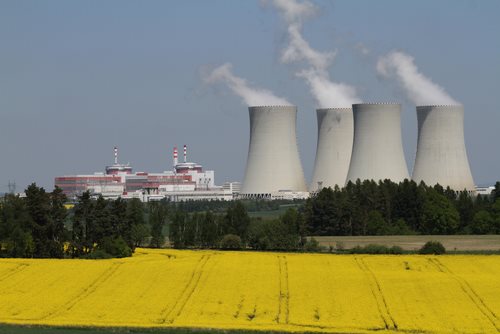
This form of environmental pollution results from various 20th century activities in atomic physics, such as nuclear weapons research and nuclear power generation, as well as manufacture and deployment-related activities.
Water Pollution
A dangerous form of environmental pollution that results from the discharge of wastewater from commercial and industrial waste (occurs intentionally or from oil spills) into surface waters.
Additionally, water pollution occurs from the discharge of untreated domestic sewage and the introduction of various chemical contaminants, such as chlorine, present through the treating of sewage or through the release of waste and contaminants into surface runoff flowing to surface waters.
This process occurs in situations of urban runoff and agricultural runoff, which may introduce various pesticides and chemical fertilizers. Other forms and causes of water pollution include waste disposal and leaching into groundwater sources.
Causes of Environmental Pollution
The aforementioned forms of environmental pollution possess different sources. Air pollution, for instances, comes from both man-made and natural sources.
Although natural air pollution is possible, the increased presence of man-made pollutants, primarily introduced from combustion, mining, construction, agriculture and warfare has placed a greater significance on the dissipation of the environment through human intervention.
As a result of this trend, motor vehicle emissions are one of the leading causes of air pollution and environmental pollution in the United States.
In the realm of air pollution, a complimentary form of environmental pollution known as stationary pollution; these debilitating situations are sparked by chemical plants, coal-fired power plants, petrochemical plants, nuclear waste disposal activities, oil refineries, incinerators, large livestock farms, metals production factories, plastic factories and other heavy industries.
In addition to air pollution, the existence of hazardous waste is a crucial aspect of environmental pollution. Roughly 400 million metric tons of hazardous wastes are generated each year throughout the world; the United States produces 250 million metric tons alone.
Environmental pollution can also arise out of a natural disaster. For example, when a hurricane strikes, negative externalities such as water contamination left from sewage and petrochemical schools from ruptured automobiles or marine crafts are common.
Other forms of environmental pollution include disruptions to soil; common soil contaminants are chlorinated hydrocarbons, heavy metals (such as chromium, lead, cadmium, aviation fuel and gasoline, as well as zinc, arsenic and benzene.
Effects of Environmental Pollution
Environmental pollution has been found to be present widely throughout the world; the effects of such contamination are as follows:
Carbon dioxide emissions perpetuate ocean acidification and the ongoing decrease in the pH of the planet’s oceans as more and more carbon dioxide is dissolved.
The emission of greenhouse gas augments global warming which affects the ecosystem in a variety of ways.
The destruction of species and plant life can contribute debris and biomolecules that irreparably alter soil and chemical compositions of the environment, which leads to a reduction of native species competitiveness.
The presence of smog and haze can reduce the amount of sunlight received by life forms, most notably plant species, whose photosynthesis cycle is altered, leading to the production of tropospheric ozone materials.
The presence of Sulphur dioxide and nitrogen oxides can cause acid rain which diminishes the pH value of soil.