Environmental Law Overview
📅 2026 Update: Recent Changes in U.S. Environmental Law
Since the original article was published, there have been several developments in U.S. environmental law. These changes affect pollution regulation, species protection, and climate policy. Readers can find the original content further down this page.
🌍 Current Environmental Laws
Recent changes in environmental laws often focus on improving air and water quality. The Clean Air and Clean Water Acts continue to shape regulations. However, local and state agencies play a key role in enforcing these laws.
These changes reflect a growing focus on sustainability and climate action.
🐾 Endangered Species Protection
The protection of endangered species remains a priority. New policies aim to enhance the recovery of these species. Collaboration between federal and state agencies is crucial for effective enforcement.
This cooperation ensures that vulnerable species receive the protection they need.
🌡️ Climate Policy Developments
Climate policy continues to evolve in response to global warming. New regulations aim to reduce greenhouse gas emissions. These policies often involve both federal and state levels.
The goal is to create a more sustainable future.
⚠️ Oil Spill Regulations
Oil spill regulations have also seen updates. Stricter rules are in place to prevent spills and manage response efforts. The focus is on protecting marine environments and restoring affected areas.
These regulations aim to minimize damage from future spills.
📌 Key Points Summary
- 🌍 Environmental laws focus on air and water quality.
- 🐾 Endangered species protection involves federal and state cooperation.
- 🌡️ Climate policies are evolving to combat global warming.
- ⚠️ Oil spill regulations are stricter to protect marine life.
💡 Tips for Understanding U.S. Environmental Law
It’s important to consult with an attorney to review the details of your specific situation.
🌱 Know Your Rights
Understand your rights under the Clean Air and Clean Water Acts. These laws give you the right to report violations and seek enforcement. Familiarize yourself with your local regulations for a clearer picture.
🔍 Research Local Regulations
Each state has its own environmental regulations. Check with your state environmental agency for specific rules. This knowledge helps you ensure compliance and protects your interests.
📞 Utilize Government Resources
Leverage resources from the Environmental Protection Agency (EPA). The EPA provides information on compliance requirements and enforcement actions. This can help you navigate complex regulations more easily.
📄 Stay Informed on Endangered Species
Keep up to date on the status of endangered species in your area. Knowing what species are protected can guide your actions. This awareness is crucial for conservation efforts.
🛢️ Understand Oil Spill Liability
If you’re involved with oil operations, understand the liability related to spills. Regulations require companies to have plans in place for spill prevention and response. Be aware of your responsibilities to minimize environmental impact.
🏆 Free Options Ranked by User Reviews (2026)
No national paid service in this area met the review threshold for this topic. Instead, this section lists free government and nonprofit resources that can help with environmental law.
🥇 1. Environmental Protection Agency (EPA)
The EPA offers extensive information on environmental laws and regulations. It also provides guidance on compliance requirements. People can access resources on pollution control, clean air, and clean water initiatives.
🥈 2. U.S. Department of Justice (DOJ)
The DOJ's Environment and Natural Resources Division focuses on environmental litigation. It shares insights on recent cases and settlements. This information can help individuals understand legal precedents and enforcement actions.
🥉 3. State Environmental Agencies
Every state has its own environmental agency. These agencies oversee local regulations and compliance. They provide resources tailored to state-specific laws and initiatives, making them vital for local residents.
4️⃣ Environmental Law Institute (ELI)
The ELI is a nonprofit organization dedicated to environmental law and policy. It offers reports and analyses on various environmental issues. This can help individuals understand complex legal matters.
5️⃣ Natural Resources Defense Council (NRDC)
The NRDC provides resources and advocacy for environmental protection. They focus on issues like climate change and pollution. Their reports can help individuals stay informed about critical environmental laws.
🔎 What to Check Before Paying for Help
- 🏛️ Ensure the service is reputable and has positive reviews.
- 📑 Look for transparency in pricing and services offered.
- 📞 Verify if the service has experience with your specific issue.
- 🌐 Check for affiliations with recognized environmental organizations.
❓ Frequently Asked Questions
🌿 What are the main goals of the Clean Air Act?
The Clean Air Act aims to improve air quality by regulating harmful pollutants. It focuses on protecting public health and the environment.
💧 How can I report a pollution violation?
You can report pollution violations to your local environmental agency or the EPA. They investigate reports and take appropriate action.
🦉 What protections exist for endangered species?
Endangered species receive protection under federal and state laws. These protections include habitat conservation and recovery plans.
📊 How do climate policies impact businesses?
Climate policies can affect businesses by imposing regulations on emissions. Companies may need to invest in cleaner technologies to comply.
🛑 What should I do if I experience an oil spill?
If you experience an oil spill, contact local authorities and follow established spill response protocols. Quick action is critical in minimizing environmental damage.
📞 Where can I find legal resources for environmental issues?
You can find legal resources through government websites or nonprofit organizations focused on environmental law. They provide guidance and information on various issues.
⚖️ Recent Cases in U.S. Environmental Law
Recent court rulings have shaped the landscape of U.S. environmental law. These rulings often impact regulations on pollution, endangered species, and climate actions.
- Hawaii Supreme Court Rules on Toxic Tort Case CausationHawaii Supreme Court · September 21, 2026
- Hawaii Supreme Court Rules on Toxic Tort Case AppealsHawaii Supreme Court · September 21, 2026
- Texas Court of Appeals vacates sanctions against Environment PlusTexas Court of Appeals, 3rd District (Austin) · August 12, 2026
- Court affirms dismissal of toxic exposure claims against LockheedCourt of Appeals for the Eleventh Circuit · July 28, 2026
For the latest updates, readers can browse more rulings on the news page.
End of October 2026 Update
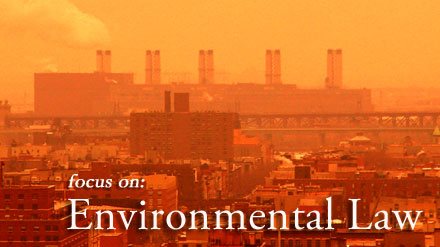
Environmental law covers a myriad of topics that involve the protection of the environment. Environmental law also encompasses avenues of legal recourse through which victims of environmental disasters can go.
Environmental law has has state, local, and federal provisions that are designed to ensure a livable quality of air and water. Most environmental laws target businesses who are guilty of contributing to the pollution of the air and water.
Such regulatory action is justified when certain environmental pollutants have been linked to extinction of wildlife and to the increased toxicity of the human body. As a result of environmental pollution, particularly water pollution, pregnant mothers have been warned not to eat fish because the mercury in the fish poses a threat to the development of a healthy baby.
The Environmental Protection Agency is the federal watchdog for the environmental mismanagement of irresponsible business who dump toxins into the water or Air. The EPA has the authority to arrest and fine violators of the Clean Air Act or the Clean Water Act. Knowing environmental law is crucial to operating a business because the effects of pollution are becoming increasingly prominent in today's world.