What Are Mobile Sources
📅 2026 Update: Changes in Mobile Sources and Environmental Standards
Since the original article was written, there have been several important updates in U.S. environmental law. The Environmental Protection Agency (EPA) has made changes that affect air quality standards, greenhouse gas emissions, and regulations for oil and natural gas operations. These changes are significant for understanding how mobile sources contribute to pollution.
The earlier article continues further down the page, providing foundational information on mobile sources and their impact on the environment. Here are the latest updates that matter most for this topic.
🌬️ New Air Quality Standards
On February 7, 2024, the EPA revised the primary annual PM₂.₅ National Ambient Air Quality Standard (NAAQS) from 12.0 µg/m³ to 9.0 µg/m³. This change aims to enhance public health protection by reducing harmful particulate matter in the air. Lowering the standard means stricter controls on emissions from vehicles and other sources.
🚗 Vehicle Emission Standards
On March 20, 2024, the EPA finalized new standards for light-duty and medium-duty vehicles. These standards will start with model year 2027 and focus on reducing harmful air pollutant emissions. This will likely improve air quality in urban areas where vehicle traffic is high.
🔄 Repeal of Greenhouse Gas Standards
On February 12, 2026, the EPA rescinded the 2009 Greenhouse Gas Endangerment Finding. This led to the repeal of all subsequent greenhouse gas emission standards for light-, medium-, and heavy-duty on-highway vehicles and engines. The rollback of these standards could impact efforts to combat climate change.
⚠️ Changes to Mercury and Air Toxics Standards
On February 19, 2026, the EPA finalized the repeal of the 2024 amendments to the Mercury and Air Toxics Standards (MATS). This restoration of previous standards for coal- and oil-fired electric utility steam generating units may affect air quality and public health, especially in areas near these power plants.
📅 Reporting Changes
On February 25, 2026, the EPA extended the reporting deadline for the Greenhouse Gas Reporting Program (GHGRP) for the 2025 reporting year. This extension provides more time for businesses to comply with new reporting requirements related to greenhouse gas emissions.
📌 Key Points Summary
- 🌬️ Revised PM₂.₅ NAAQS to 9.0 µg/m³ for better health protection.
- 🚗 New vehicle emission standards starting in 2027.
- 🔄 Repeal of greenhouse gas emission standards impacts climate efforts.
- ⚠️ Restoration of previous MATS may affect air quality.
- 📅 Extended reporting deadline for greenhouse gas emissions.
💡 Tips for Understanding Mobile Sources and Environmental Regulations
Reviewing details of your situation with an attorney is important for understanding your rights and responsibilities regarding environmental regulations.
📑 Know the Standards
Stay updated on air quality standards like the revised PM₂.₅ NAAQS. Understanding these standards can help individuals and businesses comply with regulations and improve air quality.
🚘 Check Vehicle Emissions
If you own a vehicle, check if it meets the new emissions standards that will take effect in 2027. Knowing your vehicle's compliance status can help you make informed decisions about upgrades or replacements.
🌎 Monitor Greenhouse Gas Regulations
Pay attention to changes in greenhouse gas regulations, especially the recent rescission of the 2009 Endangerment Finding. This may affect how vehicle emissions are regulated in your area.
📊 Understand Reporting Requirements
Familiarize yourself with the reporting requirements for the Greenhouse Gas Reporting Program. Make sure you know the deadlines and what information is needed to avoid penalties.
⚡ Stay Informed About Energy Standards
Keep track of regulations related to coal- and oil-fired power plants. The repeal of recent mercury and air toxic standards could impact air quality in your community.
📅 Keep Updated on EPA Changes
Regularly check for updates from the EPA regarding air quality standards and regulations. Staying informed can help you understand the implications for public health and the environment.
🏆 Free Options Ranked by User Reviews (2026)
Currently, no national paid service in the area of mobile sources and environmental regulations has met the review threshold. Below are free government and nonprofit resources that can assist you.
🥇 1. Environmental Protection Agency (EPA)
The EPA provides comprehensive information on air quality standards, emissions regulations, and reporting requirements. They offer resources for both individuals and businesses to understand and comply with environmental laws.
🥈 2. State Environmental Agencies
State environmental agencies offer localized information about air quality and regulations. These agencies often provide resources specific to your state, helping you stay compliant with local laws.
🥉 3. Nonprofit Environmental Organizations
Various nonprofit organizations focus on environmental protection and public health. Many provide resources about air quality, pollution, and how individuals can advocate for cleaner air in their communities.
4️⃣ Local Health Departments
Local health departments can provide information on air quality in your area. They often conduct studies and can offer guidance on how to minimize exposure to pollutants.
5️⃣ Community Advocacy Groups
Community advocacy groups work to raise awareness about environmental issues. They often provide educational materials and resources to help residents understand local air quality concerns.
🔎 What to Check Before Paying for Help
- 🔍 Research the organization's credibility and reviews.
- 💼 Confirm that they specialize in mobile sources and environmental law.
- 📝 Ensure they provide clear information on services offered.
- 💰 Verify pricing and any hidden fees before committing.
❓ Frequently Asked Questions
🤔 What is the PM₂.₅ standard?
The PM₂.₅ standard is a measure of fine particulate matter in the air. The EPA revised this standard from 12.0 µg/m³ to 9.0 µg/m³ to protect public health.
🏭 How do vehicle emissions affect air quality?
Vehicle emissions release pollutants that contribute to poor air quality. New standards aim to reduce these emissions from light-duty and medium-duty vehicles starting in 2027.
🔄 What was the impact of rescinding the Greenhouse Gas Endangerment Finding?
Rescinding the finding led to the repeal of greenhouse gas emission standards. This rollback could hinder efforts to reduce emissions from vehicles and combat climate change.
⚡ What are Mercury and Air Toxics Standards?
Mercury and Air Toxics Standards regulate emissions from coal- and oil-fired power plants. The recent repeal of amendments to these standards restores previous limits on harmful pollutants.
📅 How often are air quality standards updated?
Air quality standards are reviewed periodically by the EPA. Changes are made based on new scientific evidence and health data to protect public health.
📊 What resources are available for understanding reporting requirements?
The EPA and state environmental agencies provide resources for understanding reporting requirements. These resources can help individuals and businesses comply with greenhouse gas reporting programs.
⚖️ Recent Cases Related to Environmental Standards
Recent court rulings have addressed various issues related to air quality standards and emissions regulations. These rulings impact how mobile sources are managed and regulated under U.S. law.
- Hawaii Supreme Court Rules on Toxic Tort Case CausationHawaii Supreme Court · September 21, 2026
- Hawaii Supreme Court Rules on Toxic Tort Case AppealsHawaii Supreme Court · September 21, 2026
- Texas Court of Appeals vacates sanctions against Environment PlusTexas Court of Appeals, 3rd District (Austin) · August 12, 2026
- Court affirms dismissal of toxic exposure claims against LockheedCourt of Appeals for the Eleventh Circuit · July 28, 2026
For more recent rulings, check out more rulings on the news page.
End of October 2026 Update
The Mobile sources of air pollution are automobiles,
planes, trains, and boats. If a vehicle or vessel is equipped with an internal
combustion, jet, or diesel Engine, it contributes to air pollution. All
motorized vehicles create pollution while the engine is turned on.
The greater contributor to air pollution are jet planes. The Airplane industry, airports,
and pilots are first and foremost concerned with flight safety. However,
environmental regulations are also important to the airplane industry.
Airplanes make the largest contribution to air pollution
by generating tonnes of carbon dioxide, nitrogen oxide, and volatile organic
compounds. Carbon dioxide is believed to be a major contributor to
anthropogenic global warming. Nitrogen oxide also contributes to global
warming; however, it is better known as the force behind smog.
Volatile organic
compounds vary. Many VOCs are well-known carcinogenic substances. Planes burn
tonnes and tonnes of fuel. In the United States, alone over 500 million miles
were flown in 2008 alone. Airplanes are the least fuel efficient vehicles
because they are constantly battling gravity and air resistance.
Air plan
manufacturers have built planes faster and more efficient with the
implementation of the jet engine after WWII. Commercial aviation exploded after
the Jet engine made for safe and rapid travel. Propeller planes are equipped
with diesel engines that make their own pollutants.
Diesel engines are extremely common. Many freight trains,
boats, freight trucks, and personal vehicles are equipped with diesel engines.
Older diesel engines produced thick plumes of black smoke. The benefit of
diesel is that it burns fuel very slowly.
The EPA worked in collaboration with
engine manufacturers to produce less pollution from diesel engines. The EPA has
mandated clean burning diesel engines to be equipped on all cars and trucks
manufactured after 2005. Diesel has become cleaner than it used to be but is
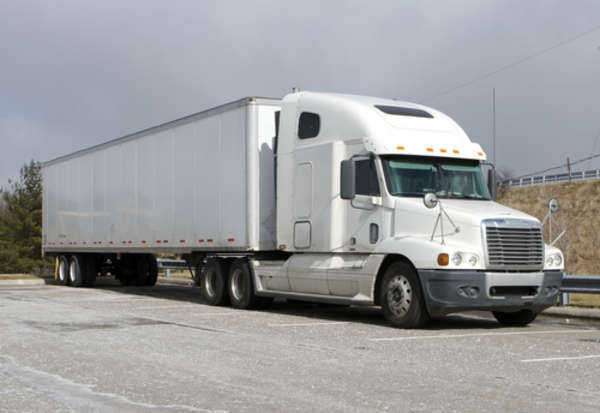
still a big polluter. The trucking industry is the greater contributor to
diesel related air pollution.
Regular Gasoline powered internal combustion engines are
also major contributors to air pollution. Well over 90% of all personal
vehicles have gasoline powered internal combustion engines. Their pollution is
similar to that of diesel engines, without the nasty black cloud of smoke.
Automobiles used to put lead into the air as pollution.
Lead poisoning causes
infertility and permanent brain damage in small children. Lead used to be an
additive in fuel. The Federal Clean Air Act banned the addition of lead to gasoline. By
1990, no on or off-road cars or trucks were able to run on leaded fuels. This
legislation was mandated thanks to the invention of the catalytic converter.
Prior to that invention lead was added to fuel to prevent engines from
misfiring.
The catalytic converter served this purpose by regulating the flow
of gas through the exhaust. The catalytic converter also reduced other air
pollution significantly. Cars from before the late 1970s polluted more than
newer cars. Modern cars still add pollutants like hydrocarbons, benzene,
nitrogen oxides, sulphur dioxide, and carbon monooxide. Car pollution is
responsible for the infamous could of haze that floats over the City of Los
Angeles.